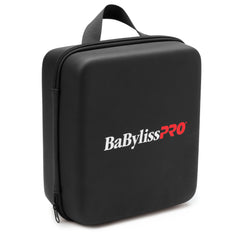
 BaBylissPRO
 Universal Travel Case
BaBylissPRO
BaBylissPRO Universal Travel Case
 Red By Kiss
 Tintation Black Spray
Red By Kiss
Red By Kiss Tintation Black Spray
 L3V3L 3
L3VEL3 Hair Croc Clips - 4 Pack
L3V3L 3
L3VEL3 Hair Croc Clips - 4 Pack
 BaBylissPRO
 Replacement Power Cord
BaBylissPRO
BaBylissPRO Replacement Power Cord
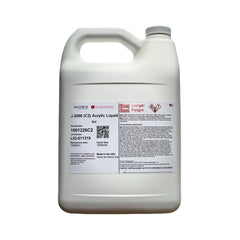 Keystone
KeyStone Acrylic Liquid Gal
Keystone
KeyStone Acrylic Liquid Gal
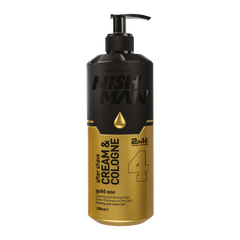 Nishman
 Gold One 4 After Shave Cream & Cologne 400mL
Nishman
Nishman Gold One 4 After Shave Cream & Cologne 400mL
 Clubman
 Whiskey Woods After Shave 6 Oz
Clubman
Clubman Whiskey Woods After Shave 6 Oz
 L3V3L 3
L3VEL3 Aftershave Cologne Flame 400mL
L3V3L 3
L3VEL3 Aftershave Cologne Flame 400mL
 Nishman
 After Shave 1 City Senior Cream & Cologne 400mL
Nishman
Nishman After Shave 1 City Senior Cream & Cologne 400mL
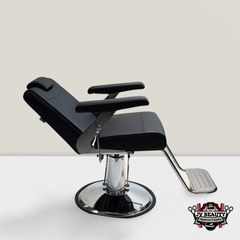 JV Beauty
Jv Transition All Purpose Chair
JV Beauty
Jv Transition All Purpose Chair
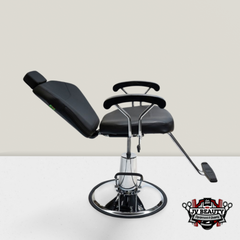 JV Beauty
Jv Threading All Purpose chair
JV Beauty
Jv Threading All Purpose chair
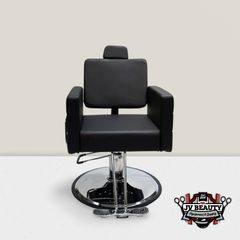 JV Beauty
Jv Grotesque All Purpose Chair
JV Beauty
Jv Grotesque All Purpose Chair
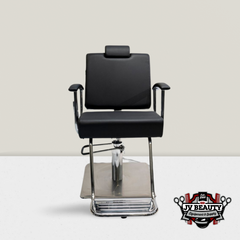 JV Beauty
Jv Fortitude All Purpose Chair
JV Beauty
Jv Fortitude All Purpose Chair

Hair-cutting tools are one of those things people don’t think about… until the haircut goes wrong. And then suddenly, everyone becomes a “scissor expert” after one bad trim. The truth is, choosing the right tools isn’t complicated, but it is important if you want clean results and less damage.
Whether you are cutting at home or upgrading your kit, here are the 7 things you should know before buying.
1) Be clear about what you’re cutting
Before you look at brands, price tags, or fancy “salon kits,” pause for a second and decide what you will actually do with the tools.
Are you:
- Trimming split ends once a month?
- Cutting bangs or fringe?
- Giving your kid quick trims?
- doing fades and taper?
- Shaping a beard with a neckline?
Different jobs require different tools for cutting hair. Buying the wrong type is how people end up with cluttered drawers full of unused gadgets.
If you only plan to do basic trims, a solid scissor with a comb setup is enough. But if you are trying fades or full men’s cuts, you’ll need clippers too. The goal here is simple: buy the right cutting tools for hair, not the most tools.
2) Scissors are Important
If there’s one thing you should not compromise on, it’s scissors. Regular household or craft scissors aren’t made for hair. They crush strands instead of slicing them cleanly, and that’s a shortcut to frizz and rough ends.
Good scissors should cut smoothly without pulling, snagging, or “chewing” through hair.
Read more blog: How Can Barber Shop Hair Trimmers Enhance Your Styling Routine?
What you should check before buying:
- Steel quality: Stainless steel is good; Japanese steel is excellent
- Blade edge:
-
Convex edge = sharper, smoother cuts (preferred)
-
Beveled edge = decent for beginners, more forgiving
-
- Tension screw: Adjustable tension helps you control how the blades move
- Comfort grip: If your hand hurts after 2 minutes, it’s not the right fit
These are the small details that turn a basic hair-cutting tool into something that feels professional and easy to use.
Also, in the world of hair-cutting tools, sharpness is not a “bonus feature.” It’s the point.
3) Clippers and Trimmers are not the same thing

A lot of people buy trimmers thinking they can do full haircuts. Then they try it once and realise… nope.
Here’s the simple breakdown:
- Clippers handle bulk cutting and length control (buzz cuts, fades, full head cuts)
- Trimmers handle detailing (neck cleanup, edges, sharp lines)
If you are shopping for professional hair-cutting tools, you’ll often see both included in a kit. But for most buyers, you can start with one based on your real needs.
A quick buying tip:
If you’re doing full haircuts, buy clippers first.
If you mostly want clean edges and neat finishing, a trimmer can do the job.
The best hair-cutting tools should glide smoothly. If the machine pulls hair, it’s usually weak motor power, cheap blades, or poor maintenance, not just “bad technique.”
4) Guard combs are your secret weapon for clean results
If scissors are the hero, guard combs are the underrated sidekick. And they matter more than people realise.
Guards give you consistent length. They protect you from cutting too much. And they make fading easier than it should be.
But cheap guards? They’re flexible, loose, and uneven. That’s how you end up with patchy spots and accidental bald lines.
Look for guard combs that:
- Click in tightly and don’t wobble
- Have clear length markings
- Don’t bend when pressure is applied
- are compatible with your clipper model
This is especially true if you’re building a home kit of hair-cutting tools. Guards are the difference between confident cuts and nervous cutting.
Explore more: Best Salon Products for Modern Beauty Salons – Jv Beauty
5) Comfort and handling can make or break your haircut
Here’s something people don’t expect: the tool you buy might be technically “good”… but still wrong for you.
If scissors are too small, too heavy, or awkward, your hand gets tired quickly. And once your hand is tired, your cutting gets sloppy. That’s when mistakes happen.
For scissors, pay attention to:
- finger hole size (no squeezing)
- offset handles for wrist comfort
- finger rest support
- smooth open-close motion (no grinding)
For clippers, check:
- vibration level
- grip and balance
- weight (too heavy = fatigue, too light = less control sometimes)
You’ll use these tools more if they feel natural. The best tools for cutting hair feel like they “sit right” in your hand.
And yes, this is one of the biggest signs of truly professional hair-cutting tools.
6) Maintenance is not optional

It’s not just hygiene. Maintenance directly impacts results.
Dirty blades pull hair. Dull scissors cause frayed ends. Hair buildup blocks clipper movement and makes the motor struggle. And the haircut suffers.
To keep your hair cutting tools working properly:
- Brush hair off blades after each use
- Disinfect scissors and clipper blades
- Oil clipper blades regularly
- Store tools dry (no damp bathrooms)
- Sharpen scissors when they start tugging
Even the best cutting tools for hair won’t perform if they’re neglected. And once scissors go dull, no amount of “careful cutting” will save the finish.
If you want salon-like results, clean and maintain them as a salon does.
7) Spend smart
You don’t need to buy the most expensive kit to get great results. But going too affordable often turns into buying twice.
A smart approach: spend more on your core tools, and save on accessories.
Worth investing in:
- high-quality scissors
- a reliable clipper (if needed)
- sturdy guard combs
Fine to save money on:
- capes
- storage cases
- extra combs and clips
- cleaning brush kits
Many people buy 15-piece kits when all they needed was 2 things: good scissors and a decent comb. That’s why choosing hair-cutting tools should be practical first, aesthetic second.
A great set of hair-cutting instruments should feel sharp, comfortable, and easy to maintain “every single time”.
Upgrade your toolkit, upgrade your results
At the end of the day, the right hair-cutting tools don’t just make haircuts easier; they make them cleaner, safer, and way more satisfying. No tugging. No uneven ends. No panic.
People Also Ask:
Q. What tools do I need to cut hair?
Start simple: hair-cutting scissors, a comb, clips, and a spray bottle. For men’s cuts or fades, add clippers with guards and a trimmer. Skip bulky kits—basic, quality tools work best.
Q. Where to buy hair-cutting tools?
Buy from beauty supply stores, barber shops, trusted online marketplaces, or brand websites. Choose verified brands with good reviews and avoid super-cheap kits that dull quickly.
Q. What is the most important hair-cutting tool?
A good pair of hair-cutting scissors is essential. Sharp scissors give clean ends, prevent hair tugging, and make blending smooth. They define the final look of your haircut.
Q. Which tool cuts hair the fastest?
Clippers cut hair the fastest, perfect for buzz cuts, trims, and bulk removal. Barbers use clippers for speed, then scissors to shape and refine the final style.

