 Red By Kiss
 Tintation Black Spray
Red By Kiss
Red By Kiss Tintation Black Spray
 BaBylissPRO
 Replacement Power Cord
BaBylissPRO
BaBylissPRO Replacement Power Cord
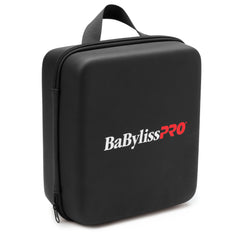 BaBylissPRO
 Universal Travel Case
BaBylissPRO
BaBylissPRO Universal Travel Case
 Red By Kiss
 Tintation Spray Jet Black
Red By Kiss
Red By Kiss Tintation Spray Jet Black
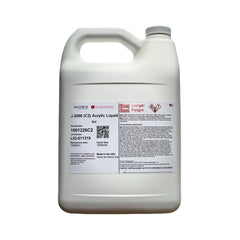 Keystone
KeyStone Acrylic Liquid Gal
Keystone
KeyStone Acrylic Liquid Gal
 Nishman
 After Shave Cologne 0 Northern Lights
Nishman
Nishman After Shave Cologne 0 Northern Lights
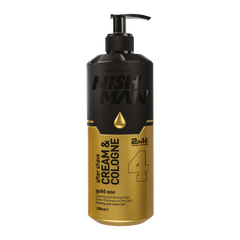 Nishman
 Gold One 4 After Shave Cream & Cologne 400mL
Nishman
Nishman Gold One 4 After Shave Cream & Cologne 400mL
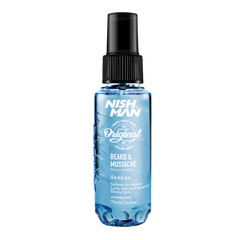 Nishman
 Beard & Mustache Perfume Spray Genius 75mL
Nishman
Nishman Beard & Mustache Perfume Spray Genius 75mL
 Immortal NYC
 ‘GOLD EDITION 01’ After Shave Eau De Cologne
Immortal NYC
Immortal NYC ‘GOLD EDITION 01’ After Shave Eau De Cologne
 Supreme
 Airbrush Gun Kit
Supreme
Supreme Airbrush Gun Kit
 Supreme
 Air Brush Cleaner - 500ML
Supreme
Supreme Air Brush Cleaner - 500ML

Hair-cutting tools can either make your life easier or turn a simple trim into a frustrating mess. If you’ve ever dealt with snagging clippers, uneven guards, or a trimmer that quits halfway through a cut, you already know how much the right tools matter.
You might be interested in: barber shop supplies, Salon Products
This guide walks through realistic options for every budget, without hype or brand worship.
Affordable Tools That Actually Work at Home
Not everyone needs barber-grade equipment, and that’s okay. If you’re cutting your own hair, helping the kids, or keeping things tidy between shop visits, entry-level hair-cutting tools are often more than enough.
Budget clippers today are miles ahead of what they used to be. Many come with decent motors, adjustable guards, and blades that stay sharp longer than expected. They’re designed for simplicity; plug them in, choose a length, and get the job done. Tools for cutting hair in this range are forgiving, which is exactly what beginners need.
Don’t expect miracles, though. These cutting tools for hair aren’t built for constant use or complex fades. But for buzz cuts, basic tapers, and routine maintenance, they’re surprisingly capable.
What You’ll Usually Get at This Price
- Basic clipper with multiple guards
- Stainless steel blades
- Corded or short-run cordless use
- Minimal maintenance
For casual users, affordable hair-cutting tools are practical, stress-free, and easy to replace if something goes wrong.
You can also read: 5 Common Mistakes When Using Hair Cutting Tools
Mid-Range Hair Cutting Tools
This is where things get interesting. Mid-range hair-cutting tools are often the best choice for people who cut regularly but don’t need full professional gear. The jump in quality is noticeable almost immediately.
Motors are stronger, cuts are cleaner, and the overall feel is more solid in your hand. Many sets include both clippers and trimmers, which opens the door to better fades and sharper edges. Tools in hair cutting at this level start to reward good technique instead of fighting it.
Battery life is another big upgrade. You’ll commonly see 90 minutes or more of runtime, which means no rushing through a cut. Noise levels are lower too—something you don’t appreciate until you use a loud clipper once and swear never again.
Spoiler alert: some of these models perform close to professional units, just without the price tag.
Mid-Range Features That Matter
- Stronger motors for thicker hair
- Longer battery life
- More precise guard systems
- Better balance and grip
If you want consistent results without paying shop prices, this category delivers.
Professional Hair Cutting Tools
Professional hair-cutting tools are a different animal altogether. They’re designed to run all day, every day, without overheating or slowing down. Barbers rely on them because they have to—clients notice when tools struggle.
The biggest difference is power and control. High-end motors cut through dense or coarse hair effortlessly. Blades stay cooler, sharper, and more consistent. When you’re doing fades, line-ups, or detailed work, that control matters more than any brand name.
Durability is another factor. Professional tools are meant to be cleaned constantly, adjusted, and sometimes dropped (it happens). Replaceable blades and serviceable parts make them long-term investments rather than disposable gadgets.
Using professional hair-cutting tools won’t magically make someone a great barber, but they remove equipment limitations from the equation.
You can read: 7 Things to Know About Choosing the Right Hair Cutting Tools
Barber Shop Hair Trimmers vs Clippers
One common mistake is thinking clippers and trimmers are interchangeable. They’re not, and understanding the difference improves results instantly.
Clippers handle bulk. They remove length and shape the haircut. Barber shop hair trimmers are for detail work, edges, necklines, and sharp outlines. Trying to line up with a clipper usually ends in frustration.
Most solid setups include both. Clippers do the heavy work, trimmers finish the job. Once you use them together, going back feels impossible.
Quick Breakdown
- Clippers: length removal, fades, tapers
- Trimmers: outlines, edges, detail work
- Both are essential tools in hair cutting
It’s a simple combo that covers nearly every style.
Choosing the Best Hair Trimmer and Clipper for Your Needs

The best hair trimmer and clipper aren’t defined by price; they are defined by use. Someone cutting once a month needs something different from a barber cutting eight heads a day.
Ask yourself how often you’ll use the tools, what styles you prefer, and whether comfort matters during longer sessions. Weight, balance, and grip sound minor, but they add up. Especially after 30 minutes of cutting.
Battery reliability is another overlooked factor. A tool that dies mid-cut quickly becomes your least favorite possession. Look for honest runtime claims and fast recharge options.
The right hair-cutting tools fit your routine instead of forcing you to adapt to them. That’s the difference between frustration and confidence.
Also read How Can Barber Shop Hair Trimmers Enhance Your Styling Routine?
Final Thoughts
Good haircuts start with good equipment, but they don’t have to start with expensive equipment. Whether you’re maintaining your own style or building a serious setup, choosing the right hair-cutting tools makes every cut easier and more predictable.
People Also Ask:
Can I get quality hair-cutting tools on a tight budget?
Yes. Budget tools can still cut well for occasional use. Look for sharp blades, basic guards, and trusted brands for reliable results.
Can I use affordable scissors for cutting hair?
You can, but it’s not ideal. The most affordable scissors may tug hair. Affordable hair-cutting scissors are designed to cut smoothly and give better control.
Are wireless hair clippers as good as wired clippers?
Yes, for most users. Wireless clippers are convenient and powerful enough for home use, while wired clippers work best for long, nonstop cutting sessions.
Do hair-cutting tools come with a warranty?
Many tools include a warranty covering manufacturing defects. Warranty periods vary, so it’s best to check the details before buying.

