 BaBylissPRO
 Replacement Power Cord
BaBylissPRO
BaBylissPRO Replacement Power Cord
 Red By Kiss
 Tintation Black Spray
Red By Kiss
Red By Kiss Tintation Black Spray
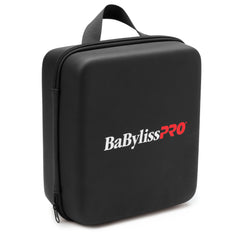 BaBylissPRO
 Universal Travel Case
BaBylissPRO
BaBylissPRO Universal Travel Case
 Red By Kiss
 Tintation Spray Jet Black
Red By Kiss
Red By Kiss Tintation Spray Jet Black
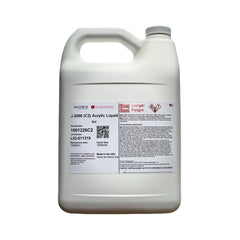 Keystone
KeyStone Acrylic Liquid Gal
Keystone
KeyStone Acrylic Liquid Gal
 Immortal NYC
 ‘GOLD EDITION 01’ After Shave Eau De Cologne
Immortal NYC
Immortal NYC ‘GOLD EDITION 01’ After Shave Eau De Cologne
 Nishman
 After Shave Cologne 0 Northern Lights
Nishman
Nishman After Shave Cologne 0 Northern Lights
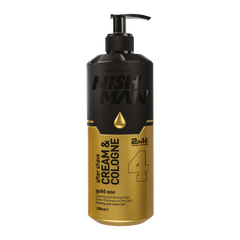 Nishman
 Gold One 4 After Shave Cream & Cologne 400mL
Nishman
Nishman Gold One 4 After Shave Cream & Cologne 400mL
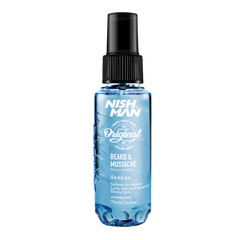 Nishman
 Beard & Mustache Perfume Spray Genius 75mL
Nishman
Nishman Beard & Mustache Perfume Spray Genius 75mL
 Supreme
 Airbrush Gun Kit
Supreme
Supreme Airbrush Gun Kit
 Supreme
 Air Brush Cleaner - 500ML
Supreme
Supreme Air Brush Cleaner - 500ML

How does a hair dryer work when it turns dripping-wet hair into something presentable in just a few minutes? Most people use one without thinking twice. You switch it on, point it at your head, and hope for the best.
But there is actually a lot going on inside that plastic shell, and knowing it can change how you dry your hair.
How It Works
- Evaporation: The fan blows air through the hair, helping the water evaporate faster.
- Heat: Warm air gives the water more energy, so it evaporates quicker. The cool-shot button then helps set the hairstyle and keep it in place.
- Airflow: As air moves through the hair, it clears away the damp air around it. This helps moisture escape faster and speeds up the drying process.
Popular Types and Features
- Ionic Technology: Negative ions help break down water droplets, making hair dry faster while also reducing frizz and static.
- Ceramic and Tourmaline: These materials help spread heat evenly across the hair, reducing hot spots and leaving hair smoother, shinier, and less prone to damage.
- Attachments: Different attachments make styling easier. A diffuser helps add volume and bring out natural curls, while a concentrator nozzle focuses the airflow for smoother, more precise styling.
What is Actually Happening Inside a Hair Dryer?

When you turn on a hair dryer, two things start working at the same time: air movement and heat. A small electric motor spins a fan, pulling air in from the back and pushing it out through the front. That’s the part you feel immediately, the steady stream of air.
As the air travels forward, it passes over a heating element. This element warms the air before it exits the nozzle. The warm airflow speeds up evaporation by loosening the water molecules trapped in your hair.
A hair dryer blowing works faster than air-drying because it keeps replacing humid air around your hair with drier air from the room. Less moisture hanging around means faster drying. That basic combination explains how a hair dryer works, no matter which brand you are using.
The Main Parts That Make It All Work
Not all dryers perform the same, and the difference generally comes down to what is inside.
Key internal components
- Motor and fan that control airflow strength
- The heating coil that warms the incoming air
- A thermostat that regulates hair dryer temperature
- Nozzle and housing that direct air and protect your hands
Higher-quality blow dryers for hair use stronger motors and more reliable temperature regulation. The airflow feels smoother, and the heat stays more consistent. That is why the best hair dryer models often dry hair faster without feeling aggressively hot.
Why Heat Matters When Drying Hair?
Hair does not dry just because air touches it. Water has to evaporate, and heat makes that happen quicker. Warm air gives water molecules enough energy to escape the hair shaft.
Airflow then carries that moisture away instead of letting it settle back onto your hair. Cool air can still dry hair, but it takes longer. That is why stylists usually use heat first and finish with a blast of cool air to smooth things out.
Also explore: Styling Products
This balance between airflow and heat is the real answer to how a hair dryer works effectively without damaging hair.
Hair Dryer Temperature: Finding the Right Balance
Hair dryer temperature is one of the most misunderstood parts of drying hair. Many people assume hotter is better. It isn’t.
Most dryers offer low, medium, and high heat settings. Low heat is gentler and safer for fine or damaged hair. Medium heat works well for everyday drying. High heat is best reserved for thick hair or quick, rough-drying.
The actual hair dryer temp also depends on airflow and distance. Holding a dryer too close concentrates heat in one spot, even on lower settings. Learning how to use a blow dryer properly, keeping it moving and slightly away from your head, makes a big difference.
You may be interested in Salon Accessories
Different Types of Hair Dryers and How They Compare
Dryers may look similar, but the technology inside can vary.
Common types of hair dryers
- Ceramic dryers that distribute heat more evenly
- Ionic dryers that help water evaporate faster
- Tourmaline dryers that boost ionic effects
- Titanium dryers that heat up quickly and stay hot
Ionic and ceramic models are popular because they reduce drying time without pushing the hair dryer temperature too high. That’s especially useful if you dry your hair often.
Knowing the types of hair dryers available helps you choose based on function, not marketing claims.
Airflow, Speed Settings, and Styling Control
Speed settings are not just about drying faster. High airflow removes moisture quickly but can make styling harder. Lower airflow gives you more control when shaping hair.
A simple approach works well:
- Start with a stronger airflow to remove excess water
- Lower the speed for shaping and smoothing
- Use cool air at the end to set the style
Once you understand how a hair dryer works, the settings stop feeling random.
You may be interested in Barber Products, Blow Dryers
Choosing the Best Hair Dryer for You

The best hair dryer depends on your hair type and habits. Fine hair benefits from lower heat and steady airflow. Thick or curly hair often needs stronger airflow with moderate heat.
If you dry your hair often, look for:
- Adjustable hair dryer temperature
- Multiple speed settings
- Lightweight design
- Reliable airflow
Professional dryers cost more upfront but usually last longer and are easier on hair in the long run.
You can also read: How to Clean Hair Trimmers?
Keeping Your Hair Dryer in Good Shape
Lint and dust can block airflow, forcing the dryer to run hotter than intended. Clean the rear filter regularly, let the dryer cool before storing it, and avoid wrapping the cord tightly.
A clean dryer maintains steady airflow and stable hair dryer temperature, which helps protect your hair over time.
Final Thoughts
Now you know how a hair dryer works in practical, real-world terms. It’s all about airflow, heat, and timing working together. With the right settings and a little attention, you can dry hair faster, style more easily, and reduce damage, without changing your routine.
If you are thinking about upgrading, take a look at our guide to choosing the best hair dryer for your hair type and daily use to find one that truly fits your needs. If you are thinking about upgrading, check out the wide range of professional hair dryers at JV Beauty Supply.
Visit JV Beauty Supply today to explore top brands and find the best hair dryer for your hair type and daily use, one that truly fits your needs and gives you salon-quality results at home.
People Also Ask:
What is the physics behind the hair dryer?
A hair dryer works using basic physics, heat transfer, and evaporation. Warm air increases the energy of water molecules trapped in your hair, allowing them to evaporate more quickly. The moving air then carries that moisture away instead of letting it settle back.
Where does water go when drying hair?
The water does not disappear; it turns into water vapor. As the warm air passes over wet hair, moisture evaporates and mixes with the surrounding air. The airflow from the dryer continuously pushes that humid air away and replaces it with drier air from the room, allowing more water to evaporate.
What are the main parts of a hair dryer?
Most hair dryers contain the same core components:
- An electric motor
- A fan to move air
- A heating element to warm the air
- A thermostat to control temperature
- A nozzle and housing to direct airflow
Higher-quality dryers use stronger motors and more accurate temperature regulation, which improves performance and safety.
Why are some hair dryers more powerful than others?
Power depends mainly on motor strength and airflow design. More powerful dryers move a larger volume of air per second, which dries hair faster, even at lower heat. Wattage also plays a role, but airflow efficiency matters just as much as raw heat output.
Can using a hair dryer regularly cause damage to your hair?
Yes, it can, if used incorrectly. Frequent exposure to very high heat, holding the dryer too close, or drying hair while it’s soaking wet can weaken hair over time. Using moderate heat, keeping the dryer moving, and finishing with cool air greatly reduces the risk of damage.
Why do hair dryers make noise when they are turned on?
The noise comes from the fast-spinning motor and fan pushing air through narrow internal spaces. Stronger motors and higher airflow naturally produce more sound. Some premium dryers are designed to reduce noise by improving airflow paths and motor balance.
How hot does a blow dryer get?
Most blow dryers produce air temperatures between 60°C and 160°C (140°F–320°F), depending on the setting and model. The air feels hotter when held close to the scalp, which is why maintaining distance and using adjustable heat settings is important for hair safety.

