 Red By Kiss
 Tintation Black Spray
Red By Kiss
Red By Kiss Tintation Black Spray
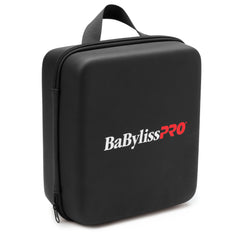 BaBylissPRO
 Universal Travel Case
BaBylissPRO
BaBylissPRO Universal Travel Case
 BaBylissPRO
 Replacement Power Cord
BaBylissPRO
BaBylissPRO Replacement Power Cord
 L3V3L 3
L3VEL3 Hair Croc Clips - 4 Pack
L3V3L 3
L3VEL3 Hair Croc Clips - 4 Pack
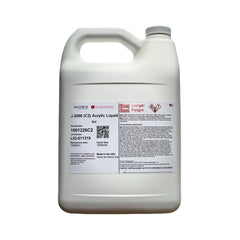 Keystone
KeyStone Acrylic Liquid Gal
Keystone
KeyStone Acrylic Liquid Gal
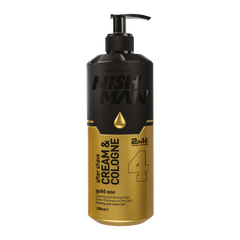 Nishman
 Gold One 4 After Shave Cream & Cologne 400mL
Nishman
Nishman Gold One 4 After Shave Cream & Cologne 400mL
 Nishman
 Artic Blue 2 After Shave Cream & Cologne 400mL
Nishman
Nishman Artic Blue 2 After Shave Cream & Cologne 400mL
 Clubman
 Whiskey Woods After Shave 6 Oz
Clubman
Clubman Whiskey Woods After Shave 6 Oz
 Clubman
 After Shave Lotion 8 Oz
Clubman
Clubman After Shave Lotion 8 Oz
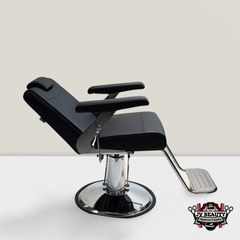 JV Beauty
Jv Transition All Purpose Chair
JV Beauty
Jv Transition All Purpose Chair
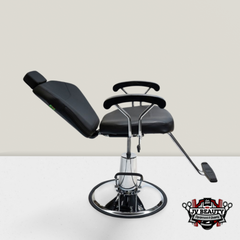 JV Beauty
Jv Threading All Purpose chair
JV Beauty
Jv Threading All Purpose chair
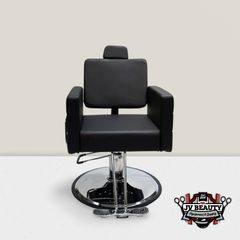 JV Beauty
Jv Grotesque All Purpose Chair
JV Beauty
Jv Grotesque All Purpose Chair
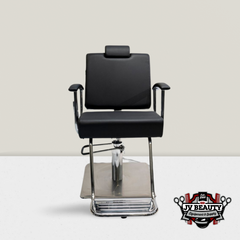 JV Beauty
Jv Fortitude All Purpose Chair
JV Beauty
Jv Fortitude All Purpose Chair

How to Straighten Hair Without Heat Damage starts with the right prep, the right temperature, and the right products before your flat iron ever touches your hair. Smooth, sleek hair is possible without leaving your strands dry, brittle, or frizzy. You just need a smarter routine.
Explore: Barber Products Hair Dryers & Steamers, Barber Chairs
Straightening isn’t only about the tool. It’s about washing, drying, protecting, sectioning, and finishing your hair in a way that keeps it looking healthy.
Does straightening your hair damage it?
Many people ask, does straighten your hair damage it, and the honest answer is: it can, if you use too much heat too often or skip protection. Heat styling can weaken the hair cuticle, remove moisture, and make strands more likely to break.
That doesn’t mean you need to give up straight hair completely. The key is balance. If you straighten your hair occasionally and use good protection, the risk of damage is much lower. If you use high heat daily without prep, your hair may become dry, dull, rough, or split at the ends.
Heat damage often shows up slowly. At first, hair may just feel a little dry. Then it may become harder to style, lose shine, or look frizzy even after straightening. Curly or wavy hair may also stop bouncing back to its natural pattern.
Spoiler alert: the goal isn’t to avoid heat forever. The goal is to use heat wisely.
How to Straighten Hair Without Heat Damage is really about creating a protective routine. That includes moisturizing your hair, using a heat protectant, choosing the correct flat iron temperature, and avoiding multiple passes over the same section.
How should you prepare hair before straightening?
Preparation is everything. If you want to know how to straighten hair without damaging it, start before the flat iron comes out.
First, wash your hair with a gentle shampoo. If your hair is dry, frizzy, colored, or chemically treated, use a moisturizing or smoothing shampoo. Follow with conditioner to soften the hair and reduce tangles.
After washing, gently squeeze out extra water with a microfiber towel or soft cotton towel. Don’t rub harshly. Wet hair is fragile, and rough towel drying can create frizz and breakage.
Next, detangle your hair with a wide-tooth comb or detangling brush. Start at the ends and work upward. This helps prevent snapping and makes styling easier later.
Apply a leave-in conditioner if your hair needs extra moisture. Then use a heat protectant spray, serum, or cream. This step helps protect hair from heat by forming a light barrier between your strands and hot tools.
You might like: Nail Products, Creams & Lotions
Your hair should be completely dry before using a flat iron. Straightening damp hair can cause serious damage because the heat can turn water inside the hair shaft into steam. That can make strands weak, rough, and brittle.
Tiny detail, big difference. Dry first, straighten second.
What temperature should you straighten hair?
A common question is what temperature to straighten hair, and the answer depends on hair type, texture, and condition. Not every head of hair needs the highest heat setting.
Fine, fragile, bleached, or damaged hair should usually be straightened on a lower heat setting. Medium or normal hair can handle moderate heat. Thick, coarse, or very curly hair may need a higher setting, but still not the maximum if it can be avoided.
Flat iron temperature guide
|
Hair Type |
Suggested Temperature |
Styling Tip |
|
Fine or fragile hair |
250°F–300°F |
Use one slow pass |
|
Color-treated hair |
280°F–330°F |
Always use heat protectant |
|
Normal or medium hair |
300°F–350°F |
Work in small sections |
|
Thick or coarse hair |
350°F–400°F |
Avoid repeated passes |
|
Damaged or brittle hair |
Lowest possible heat |
Limit heat styling |
The right temperature is the lowest setting that still straightens your hair effectively. If you need five passes to smooth one section, the section may be too thick, your hair may not be fully dry, or the tool may not be working well.
How to Straighten Hair Without Heat Damage means using controlled heat, not maximum heat. A flat iron with adjustable temperature settings is much better than one with only an on/off switch.
You may want to check out: Hair Dryers & Steamers, Combs & Brushes
How can you protect hair from heat damage?
To protect hair from heat damage, always use a heat protectant before styling. This can be a spray, cream, serum, or lightweight mist. Choose the formula based on your hair type.
Fine hair usually works better with lightweight sprays. Thick or dry hair may prefer creams or serums. Curly hair may benefit from a leave-in conditioner plus heat protectant for extra support.
Apply the product evenly. Don’t just spray the top layer. Lift sections and distribute it through the lengths and ends. The ends are usually the oldest and weakest part of the hair, so they need extra care.
Let the protectant dry before using your flat iron. If your hair feels wet from the product, give it a minute or blow-dry on a cool or low setting.
Another way to protect hair from heat is to reduce how often you straighten. Try stretching your style for two or three days by sleeping on a silk or satin pillowcase, wrapping your hair at night, or using a light anti-frizz serum in the morning.
Deep conditioning once a week can also help. It won’t reverse severe heat damage, but it can make hair feel softer, smoother, and more manageable.
You can read: What is gen z make up?
How do you straighten hair safely step by step?
The safest way to straighten hair is to work slowly, gently, and in small sections. Rushing often leads to more heat exposure, not less.
Start with clean, dry, detangled hair. Apply your heat protectant and let it settle. Set your flat iron to the right temperature for your hair type.
Divide your hair into sections using clips. Smaller sections straighten faster and more evenly. Large sections may look smooth on the outside but stay wavy underneath, which makes you repeat passes.
Take one section and comb through it first. Then glide the flat iron from roots to ends in one smooth motion. Don’t clamp too hard, and don’t stop in one spot. Holding heat in one area can create dents and damage.
If the section isn’t straight after one pass, wait a moment before going over it again. Try not to pass over the same section more than twice.
Finish with a light serum or anti-frizz product on the ends. Avoid heavy oils before using heat, because some can make hair feel greasy or cause uneven styling.
This is the practical answer to How to Straighten Hair Without Heat Damage: prep well, use protection, section properly, and avoid unnecessary heat.
also explore: Top 10 Must-Have Salon Supplies for Every Stylist?
What products help straighten hair without damage?
The right products make a big difference. You don’t need a huge shelf, but you do need a few reliable basics.
Start with a smoothing shampoo and conditioner if your hair is frizz-prone. These help soften the hair before styling. Add a leave-in conditioner if your hair feels dry, rough, or hard to detangle.
A heat protectant is non-negotiable. It’s one of the most important products if your goal is to protect hair from heat damage. Look for formulas that mention heat styling, frizz control, smoothing, or thermal protection.
You may also want a lightweight serum for finishing. Apply it after straightening, especially to the ends. It can add shine and reduce flyaways.
For curly or textured hair, a blow-dry cream may help stretch the hair before flat ironing. This can reduce the number of passes needed with the straightener.
Useful products include:
- Moisturizing shampoo
- Smoothing conditioner
- Leave-in conditioner
- Heat protectant spray or cream
- Anti-frizz serum
- Deep conditioning mask
- Wide-tooth comb
- Flat iron with adjustable heat
A healthy straightening routine depends on both products and technique.
How often can you straighten hair without damage?
How often you can straighten depends on your hair condition. Healthy, strong hair may handle occasional heat styling well. Dry, bleached, relaxed, or damaged hair needs more rest between sessions.
As a general rule, try not to straighten your hair every day. Two to three times a week may still be too much for fragile hair. Once a week or less is better if your strands already feel dry or weak.
The more often you straighten, the more important protection becomes. Use deep conditioner, trim split ends, and avoid combining too many damaging habits, like bleaching, tight hairstyles, and high heat all at once.
If you want straight hair often, learn ways to maintain the style. Wrap your hair at night, use a satin scarf, avoid steam-heavy showers, and refresh with a light serum instead of re-straightening.
How to Straighten Hair Without Heat Damage also means knowing when to stop. If your hair smells burnt, feels rough, or starts breaking, take a heat break.
Your hair doesn’t need punishment to look polished. It needs care.
You might like: How to use hair clippers?
Can you straighten hair without using heat?
Yes, but the result depends on your natural hair texture. Heatless straightening usually creates a smoother, stretched look rather than a pin-straight finish.
You can try wrapping damp hair around the head and securing it with pins, using large rollers, brushing hair while it air-dries, or applying smoothing creams before wrapping. These methods take more time but reduce heat exposure.
For wavy hair, heatless methods may work well. For very curly or coily hair, they may stretch the hair but not fully straighten it. That’s still useful because stretched hair can be easier to style and may need less heat later.
A blow dryer on a cool or low setting with a brush is another gentler option. It still uses airflow and sometimes warmth, but it can be less intense than a hot flat iron.
If your main goal is healthier straight hair, combine heatless stretching with occasional flat ironing. This helps reduce total heat exposure.
Final Thoughts
How to Straighten Hair Without Heat Damage comes down to smart habits. Cleanse and condition well. Detangle gently. Use heat protectant. Choose the right temperature. Work in small sections. Don’t repeat passes again and again.
Straight hair can look sleek without looking fried. You just need the right balance between styling and care.
People Also Ask:
How often can you straighten your hair without it getting damaged?
Most people should avoid straightening their hair every day. For healthier hair, straightening once a week or a few times a month is usually safer, especially if your hair is dry, bleached, colored, or already damaged. If you do use heat more often, always apply a heat protectant, choose the lowest effective temperature, and avoid passing the flat iron over the same section again and again.
What ruins hair the most?
Hair is most often damaged by repeated high heat, harsh chemical treatments, bleaching, rough brushing, tight hairstyles, and skipping moisture care. Straightening wet hair can also cause serious damage because heat can weaken the hair shaft quickly. To protect hair from heat damage, use a heat protectant, deep condition regularly, trim split ends, and give your hair breaks from hot tools.

