 BaBylissPRO
 Replacement Power Cord
 Red By Kiss
 Tintation Black Spray
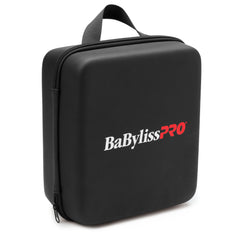 BaBylissPRO
 Universal Travel Case
 Red By Kiss
 Tintation Spray Jet Black
 Keystone
KeyStone Acrylic Liquid Gal
 Immortal NYC
 ‘GOLD EDITION 01’ After Shave Eau De Cologne
 Nishman
 After Shave Cologne 0 Northern Lights
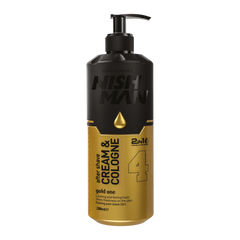 Nishman
 Gold One 4 After Shave Cream & Cologne 400mL
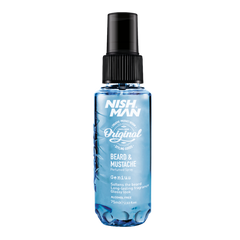 Nishman
 Beard & Mustache Perfume Spray Genius 75mL
 Supreme
 Airbrush Gun Kit
 Supreme
 Air Brush Cleaner - 500ML

Types of hair steamers include hooded steamers, tabletop steamers, handheld steamers, standing salon steamers, cap steamers, and professional salon models. Each one works a little differently, but the goal is usually the same: to help moisture, conditioners, and treatments work better on the hair.
If your hair feels dry, rough, frizzy, or hard to soften, a hair steamer may be worth understanding.
Our Best-Selling Collections
Nail Care Products for Healthy, Beautiful Nails
Barber Shop Supplies for Daily Professional Use
What Does a Hair steamer actually do?
Before comparing types of hair steamers, it helps to know what a steamer is supposed to do. A hair steamer uses warm steam to add moisture and gentle heat around the hair and scalp. This can help soften the hair, support deep conditioning, and make certain treatments feel more effective.
A hair steam treatment is often used before or during a deep conditioner, hair mask, oil treatment, or scalp care routine. The warm steam helps create a moist environment, which can make hair feel softer and easier to manage.
So, is a hair steamer only for salons? Not really. Many people use hair steamers at home now, especially if their hair is dry, curly, coily, color-treated, or damaged from heat styling.
Spoiler alert: steam is not a magic fix for unhealthy hair. It supports moisture and care, but the product you use, your hair type, and your routine still matter.
If your hair always feels dry after washing, or your deep conditioner never seems to do much, a steamer may help the treatment feel more useful. The trick is choosing the right type for your lifestyle.
1. Hooded Hair Steamers
Hooded steamers are one of the most common hair steamer types. They look similar to a hooded dryer, but instead of only blowing hot air, they release steam around the head.
A hooded steamer is useful because it covers most of the hair at once. You sit under the hood while the steam surrounds your hair evenly. This makes it a popular choice for deep conditioning, curly hair care, natural hair routines, and salon treatments.
Would this work better than wrapping your hair in a towel? For many people, yes. A towel can trap some warmth, but a hooded steamer gives steady moist heat, which feels more controlled.
A hooded salon hair steamer is often larger and more powerful than small home models. Salons may use it after applying masks, oils, or conditioning products. It can also feel relaxing for clients because the steam is hands-free.
The downside is size. Hooded steamers take up more room than small tools. If you have limited space, a tabletop or cap steamer may be easier.
Still, if you want even steam coverage and a salon-style feel, hooded steamers are one of the strongest options.
2. Standing Salon Hair Steamers
A standing salon hair steamer is usually a full-size unit with a stand, adjustable height, water tank, and hood. It is designed for regular use in salons, spas, and professional hair care spaces.
This is one of the more serious types of steamers for hair because it is built for comfort, repeated use, and stronger performance. The client sits in a chair while the hood is positioned over the head. The stylist can adjust the height and timing based on the treatment.
Why do salons prefer standing models? Because they are practical for multiple clients. They keep the hands free, provide consistent steam, and feel more professional than smaller home devices.
A standing model may be useful for deep conditioning, scalp treatments, hydration services, and textured hair routines. If a salon offers moisture-based services, a steamer can add value to the treatment menu.
For home use, though, a standing steamer may feel too large unless you have space and plan to use it often.
If you are buying for business, a standing professional model can make sense. If you are buying for occasional personal use, it may be more than you need.
That is the honest difference.
3. Tabletop Hair Steamers
Tabletop steamers are smaller than standing units. They sit on a table or counter and usually include a hood or nozzle-style steam outlet. Many home users like them because they give a more serious steam experience without taking up as much room as a full salon unit.
Among different hair steamers, tabletop models are a nice middle option. They are stronger than many cap steamers but usually easier to store than large standing steamers.
Are tabletop steamers good for home use? Yes, especially if you deep condition regularly. You can place the unit on a stable surface, sit nearby, and let the steam work while your treatment sits on the hair.
The main thing to check is comfort. Is the hood large enough? Is the hose flexible? Is the unit easy to clean? Does the water tank hold enough water for your treatment time?
A tabletop steamer is helpful for people who want better moisture care but do not want salon-size equipment. It can be useful for curly, coily, dry, or thick hair that needs more support during conditioning.
Just make sure you have a safe flat surface and follow the instructions carefully. Steam is gentle when used correctly, but it is still hot.
4. Handheld Hair Steamers
Handheld steamers are small, portable, and easy to move around. They are usually used on specific areas instead of steaming the whole head at once.
This type can be useful if you want targeted moisture. For example, do your ends feel drier than the rest of your hair? Is one section harder to soften? A handheld steamer lets you focus on those areas more directly.
Handheld models are part of the common types of hair steamers for hair, but they are not always the best choice for full deep conditioning. Since you have to move the tool around, it can take longer to steam all the hair evenly.
Still, handheld steamers are convenient. They are usually lighter, easier to store, and more budget-friendly than larger models. They can be helpful for quick refreshing, small treatment areas, or people who do not have space for a hooded steamer.
The downside is effort. You have to hold the tool, move it carefully, and avoid getting too close to the scalp or skin.
If you like quick, flexible tools, a handheld steamer may work. If you want a full relaxing treatment, a hooded or tabletop model may feel better.
5. Cap Steamers and Heat Caps
Cap steamers and heat caps are popular for home users because they are simple and easy to store. Some use steam, while others use heated caps to create warmth around the hair. They are not always the same thing, so check the product details carefully.
This category is often chosen by people who want an easy hair steam treatment without a big machine. You apply your conditioner or mask, cover the hair, and use the cap according to the instructions.
Are cap steamers as strong as professional units? Usually, no. But they can still be useful for regular home care, especially if you want something affordable and low-maintenance.
Quick Comparison of Hair Steamer Types

|
Steamer Type |
Best For |
|
Hooded steamer |
Even full-head steam |
|
Standing salon steamer |
Professional salon services |
|
Tabletop steamer |
Home users wanting stronger steam |
|
Handheld steamer |
Targeted moisture areas |
|
Cap steamer |
Simple home treatments |
|
Professional steamer |
Frequent or business use |
Cap steamers are a good starting point if you are new to steaming and do not want a large device. They are not fancy, but they can be practical.
Guess what? The easiest tool is sometimes the one you actually use.
You can read about Best Hair Dryers Under $50 vs $200
6. Professional Hair Steamers
A professional hair steamer is usually built for stronger performance, better durability, and repeated treatments. It may have adjustable steam levels, timer settings, a larger hood, stronger parts, and a more comfortable design.
For salons, a professional hair steamer can be a smart investment because it supports moisture treatments, conditioning services, scalp care, and textured hair services. It can also improve the client experience because the treatment feels more complete.
For home users, a professional model may be useful if you steam often or have hair that needs regular deep moisture support. But ask yourself: will you use it enough? Do you have space? Is it easy to clean? Does it match your hair routine?
A professional unit is not automatically better for everyone. It is better for people who need stronger, more consistent performance.
If you only steam your hair once in a while, a tabletop or cap option may be enough.
How to Choose the Right Hair Steamer
Choosing between types of hair steamers depends on your hair needs, space, budget, and how often you plan to use it. Dry or textured hair may benefit from deeper steam treatments. Fine hair may need shorter, lighter sessions. Color-treated or damaged hair should be treated gently and not over-steamed.
Check water tank size, steam control, safety features, cleaning needs, hood size, portability, and storage space. Also think about comfort. Will you sit under it easily? Will the tool fit your routine?
Ready to upgrade your moisture routine with the right tool? Explore our best salon products for modern beauty salons collection to find salon hair steamer options, professional hair steamer models, tabletop steamers, and different hair steamers for at-home or salon care.
Final Thoughts
types of hair steamers include hooded, standing, tabletop, handheld, cap, and professional models. The best one depends on how you use it. A salon may need a standing professional model. A home user may prefer a tabletop or cap steamer. Someone who wants targeted care may like a handheld tool.
Choose based on your hair, space, and routine.
The right steamer can make conditioning feel more effective, help dry hair feel softer, and turn hair care into a more relaxing habit.
People Also Ask:
What steamer should I buy?
Choose a hair steamer based on your hair type, styling needs, steam settings, ease of use, and safety features. For home use, look for a reliable steamer with adjustable settings and a suitable design for comfortable use.
What should I look for when buying a steamer?
Look for adjustable steam settings, consistent steam output, easy controls, safety features, durability, and a design that suits your hair and usage needs. A good warranty and after-sales support are also worth considering.

