 Red By Kiss
 Tintation Black Spray
Red By Kiss
Red By Kiss Tintation Black Spray
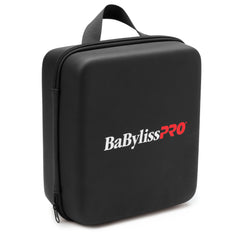 BaBylissPRO
 Universal Travel Case
BaBylissPRO
BaBylissPRO Universal Travel Case
 BaBylissPRO
 Replacement Power Cord
BaBylissPRO
BaBylissPRO Replacement Power Cord
 L3V3L 3
L3VEL3 Hair Croc Clips - 4 Pack
L3V3L 3
L3VEL3 Hair Croc Clips - 4 Pack
 Keystone
KeyStone Acrylic Liquid Gal
Keystone
KeyStone Acrylic Liquid Gal
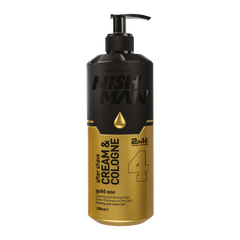 Nishman
 Gold One 4 After Shave Cream & Cologne 400mL
Nishman
Nishman Gold One 4 After Shave Cream & Cologne 400mL
 Nishman
 Artic Blue 2 After Shave Cream & Cologne 400mL
Nishman
Nishman Artic Blue 2 After Shave Cream & Cologne 400mL
 Clubman
 Whiskey Woods After Shave 6 Oz
Clubman
Clubman Whiskey Woods After Shave 6 Oz
 Clubman
 After Shave Lotion 8 Oz
Clubman
Clubman After Shave Lotion 8 Oz
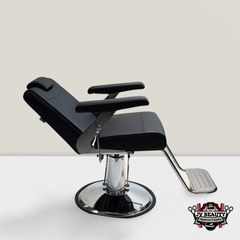 JV Beauty
Jv Transition All Purpose Chair
JV Beauty
Jv Transition All Purpose Chair
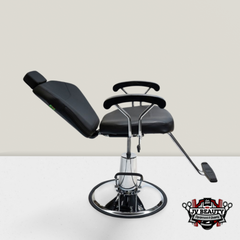 JV Beauty
Jv Threading All Purpose chair
JV Beauty
Jv Threading All Purpose chair
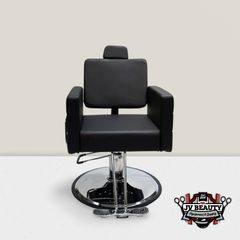 JV Beauty
Jv Grotesque All Purpose Chair
JV Beauty
Jv Grotesque All Purpose Chair
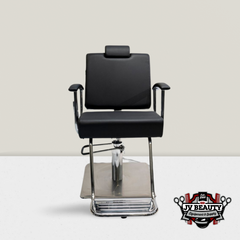 JV Beauty
Jv Fortitude All Purpose Chair
JV Beauty
Jv Fortitude All Purpose Chair

Hair-cutting tools can make or break your haircut. Whether you’re trimming bangs at home or shaping fades behind the chair, small missteps with your tools often lead to big regrets. The good news? Most haircut disasters are totally avoidable once you know what to watch for.
Let’s walk through the most common mistakes and how to dodge them like a pro.
Using the Wrong Tool for the Job
One of the most frequent Cutting hair mistakes happens before the first snip: choosing the wrong tool. Not all hair-cutting tools are created equal, and each has a specific purpose. Clippers are great for bulk removal and fades, while scissors are ideal for precision and texture. Razors? They’re for soft edges, not blunt lines.
Using kitchen scissors or dull blades is a fast track to uneven ends and split hair. Guess what, those tools simply aren’t designed for hair structure. A quality hair cutting tool matched to your goal makes cutting smoother and safer.
Read more blog: 7 Things to Know About Choosing the Right Hair Cutting Tools
Match the Tool to the Task
- Common Hair Tools and Their Best Uses
- Scissors/Shears: Precision cuts, layering, trimming
- Clippers: Short styles, fades, uniform lengths
- Razors: Texturizing and soft finishes
If you’re serious about results, invest in professional hair-cutting tools that stay sharp and balanced in your hand. Your wrists and your haircut will thank you.
Cutting Hair When It is Too Wet or Too Dry
Another classic entry on the list of Common hair cutting errors is ignoring hair condition. Hair behaves very differently when wet versus dry. Wet hair stretches, so cutting too much can lead to a shorter-than-expected result once it dries. Dry hair, on the other hand, shows flaws instantly but offers less flexibility.
The trick is intention. Decide what finish you want, then prep accordingly. For most styles, slightly damp hair gives you control without surprises. For curls or fine detailing, dry cutting may be best.
Spoiler alert: there’s no one-size-fits-all rule here. But cutting without thinking about the moisture level almost guarantees haircuts mistakes you’ll notice immediately.
Skipping Sectioning and Rushing the Cut
We’ve all been tempted to “just trim a little” without sectioning. This is one of the sneakiest Cutting hair mistakes because it feels faster, until you see the uneven results. Sectioning creates structure and consistency, especially when working with longer hair or layers.
Rushing leads to jagged lines, missed spots, and uneven weight distribution. Take your time. Even pros slow down for the tricky parts.
You can also explore: Nail Products Blades & Replacement Foils
Simple Sectioning Basics
A Quick Sectioning Guide
- Divide hair into clean, even sections
- Secure each section with clips
- Cut one section at a time, checking the balance
Using proper cutting tools for hair with a calm, methodical approach helps you Avoid hair cutting mistakes that are hard to fix later.
Ignoring Blade Sharpness and Maintenance
Dull blades don’t just cut poorly; they pull, snag, and damage hair. This is a huge contributor to Haircut mistakes that people often overlook. If your scissors fold hair instead of slicing cleanly, or your clippers tug, it’s time for maintenance.
Regular cleaning, oiling, and sharpening extend the life of your hair cutting tools and keep every cut precise. Dirty tools can also spread bacteria, which is something no one wants near their scalp.
Once in a while, test your tools on a small section before committing. If they don’t glide smoothly, stop. Swap them out or sharpen them before continuing. It’s a small pause that prevents big regret.
Cutting Without a Clear Plan
Improvisation sounds fun, until it comes to hair. Cutting without a plan is one of the most common Cutting hair mistakes, especially for DIY trims. Before you start, know the length, shape, and finish you’re aiming for.
Visual references help. So does cutting less than you think you need. You can always take more off, but you can’t put it back. This is where experience with professional hair cutting tools really shines, because precision allows gradual adjustments.
And remember: symmetry matters. Check both sides often. Step back. Re-evaluate. That extra minute can save you from lopsided bangs or uneven layers.
Why Quality Tools Make All the Difference
Many Common hair cutting errors trace back to poor equipment. Low-quality tools lack balance, sharpness, and control. High-quality hair cutting tools, or haircutting equipment, are designed to work with the hair, not against it.
Better tools reduce hand fatigue, improve accuracy, and help you avoid snags and slips. Whether you’re a home user or a stylist, upgrading your gear is one of the fastest ways to improve results.
If you are ready to level up, explore our collection of professional hair-cutting tools through this in-depth guide to choosing the right hair-cutting tools for your needs. It’s packed with expert tips and recommendations to help you cut with confidence.
Final Thoughts
Mistakes happen, but most Cutting hair mistakes are preventable with the right knowledge and tools with JV Beauty . Slow down, plan your cut, and respect the process. With well-maintained hair cutting tools and a thoughtful approach, you’ll get cleaner lines, healthier hair, and results you’re proud of, every single time.
People Also Ask:
Q. Should I cut hair when it’s wet or dry?
Wet hair gives clean, precise lines and is easier to control. Dry cutting shows natural fall and texture. Many pros cut wet for shape, then dry to refine and perfect details.
Q. How can I avoid cutting too much hair at once?
Trim less than you think. Work in small sections, use sharp scissors, and check often. Go slowyou can always cut more, but you can’t undo a big chop.
Q. Is it better to cut hair in layers or all at once?
Blunt cuts suit straight, even styles. Layers add volume and movement, great for thick hair. If unsure, add layers gradually to avoid uneven results.
Q. Are there tools that improve hair cutting?
Yes. Sharp scissors, clippers with guards, section clips, and a fine comb improve control and precision. Quality tools make cutting easier, cleaner, and more consistent.

