 BaBylissPRO
 Replacement Power Cord
BaBylissPRO
BaBylissPRO Replacement Power Cord
 Red By Kiss
 Tintation Black Spray
Red By Kiss
Red By Kiss Tintation Black Spray
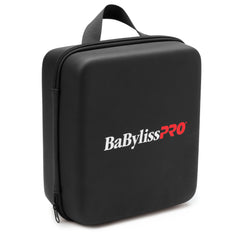 BaBylissPRO
 Universal Travel Case
BaBylissPRO
BaBylissPRO Universal Travel Case
 Red By Kiss
 Tintation Spray Jet Black
Red By Kiss
Red By Kiss Tintation Spray Jet Black
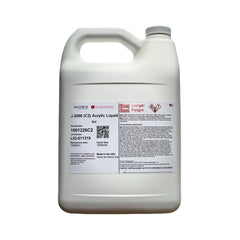 Keystone
KeyStone Acrylic Liquid Gal
Keystone
KeyStone Acrylic Liquid Gal
 Immortal NYC
 ‘GOLD EDITION 01’ After Shave Eau De Cologne
Immortal NYC
Immortal NYC ‘GOLD EDITION 01’ After Shave Eau De Cologne
 Nishman
 After Shave Cologne 0 Northern Lights
Nishman
Nishman After Shave Cologne 0 Northern Lights
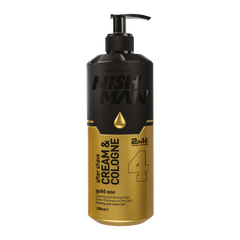 Nishman
 Gold One 4 After Shave Cream & Cologne 400mL
Nishman
Nishman Gold One 4 After Shave Cream & Cologne 400mL
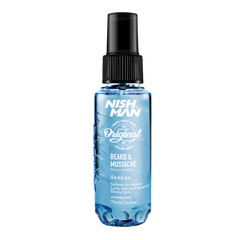 Nishman
 Beard & Mustache Perfume Spray Genius 75mL
Nishman
Nishman Beard & Mustache Perfume Spray Genius 75mL
 Supreme
 Airbrush Gun Kit
Supreme
Supreme Airbrush Gun Kit
 Supreme
 Air Brush Cleaner - 500ML
Supreme
Supreme Air Brush Cleaner - 500ML

The best hair dryer is one of those searches people make after a bad morning. Frizz everywhere. Hair is still damp after ten minutes. Arms tired. Maybe even that faint burned smell that makes you question your life choices.
You may explore this article:
If that sounds familiar, you’re not alone. Choosing a hair dryer in 2026 is not about going around trends; it is about finding something that works with your hair, not against it.
Why the “Best” Hair Dryer Isn’t the Same for Everyone?
There is no single dryer that magically works for every hair type. That idea alone causes most bad purchases.
Some people need speed. Others need control. Some hair dries fast but hates heat. Other hair holds water forever and laughs at low settings.
Modern blow dryers for hair are built around airflow more than raw heat. That’s a good thing. Strong airflow means hair dries faster at a safer hair dryer temperature. Weak airflow pushes people to crank the heat, and that’s usually where damage starts.
The best hair dryer is the one that suits your hair and your routine. Not the one with the flashiest box.
Explore Now: Best Dryers Collection
Heat Isn’t the Enemy, Bad Heat Is
Hair dryer temperature gets blamed for a lot. Sometimes unfairly.
Hair does not dry because it’s hot. It dries because moisture evaporates. Airflow moves that moisture away. Heat just helps speed things up, up to a point.
Most electric hair dryer models give you low, medium, and high heat. That’s enough for almost everyone.
Low heat works beautifully for fine or fragile hair. Medium heat covers everyday drying. High heat should be used briefly, mostly when hair is very thick or very wet.
Here is the honest test. If your scalp feels uncomfortable almost immediately, the hair dryer temp is probably higher than you need.
Airflow Is What Separates Good Dryers from Bad Ones
This is where most people get misled.
Wattage numbers look impressive, but the hair dryer blowing strength is what actually dries hair. Two dryers can have identical wattage and perform completely differently.
Good airflow feels steady and controlled. Bad airflow feels chaotic, hair flying everywhere, uneven drying, and constant setting changes.
You can explore: Hair Gel & Pomades & Waxes
Professional dryers focus heavily on airflow design. That’s why they dry faster without feeling aggressive. When someone says a dryer is “powerful but gentle,” airflow is the reason.
This is one of the biggest differences between average models and the best hair dryer options.
Types of Hair Dryers

Marketing terms get thrown around a lot. Some matter. Some don’t.
Common types of hair dryers
- Ceramic dryers help distribute heat more evenly
- Ionic dryers reduce static and speed up drying
- Tourmaline dryers enhance ionic performance
- Titanium dryers heat quickly and stay hot, often lighter
For most people, ceramic or ionic dryers offer the best balance. They keep the hair dryer temperature stable and reduce drying time without blasting heat.
Order Today: Blow Dryers
Understanding the types of hair dryers helps you ignore hype and focus on results.
Choosing Based on Hair Type
This is where people usually go wrong.
Fine hair dries quickly and doesn’t need much heat. Look for top blow dryers for fine hair with strong airflow and gentle temperature control.
Curly hair benefits hugely from airflow control. A hair dryer for curly hair should always include a diffuser. Without one, curls get blown apart before they dry.
Thick hair needs airflow more than heat. The best hair dryer for thick hair moves a lot of air, so you are not forced to use the hottest setting constantly.
Frizzy hair usually reacts badly to uneven drying. The best hair dryer for frizzy hair combines steady airflow, stable heat, and attachments that help direct air smoothly.
Matching the dryer to your hair solves most problems before they start.
Attachments: Useful or Just Drawer Fillers?
Some attachments earn their keep. Others don’t.
A hair dryer with a diffuser is essential for curls and waves. It spreads air gently and helps maintain the natural shape.
A hair dryer with a comb can help smooth and stretch thick or coily hair while drying, especially if you want less shrinkage.
A hair dryer with a brush attachment combines drying and styling, which can be helpful for straight or fine hair if you want volume without juggling tools.
Attachments should lock firmly. If they wobble, they won’t get used, simple as that.
You can also read: How to Clean Hair Trimmers?
Maintenance and How Long a Dryer Actually Lasts
A good dryer should last years, not seasons.
Look for removable rear filters. Dust buildup restricts airflow and forces the dryer to run hotter. Clean the filter regularly. Let the dryer cool before storing it. Don’t wrap cords tightly around the handle.
A dryer that maintains consistent hair dryer temperature over time protects both your hair and the tool itself.
How Much Should You Spend?
You don’t need the most expensive dryer on the market. But extremely cheap models often cut corners where it matters, motor quality, and heat control.
Mid-range dryers usually offer the best balance of performance, comfort, and lifespan. Premium dryers add refinement, lighter weight, and smarter temperature management.
If you dry your hair several times a week, spending a little more upfront usually pays off.
Final Thoughts
Choosing the best hair dryer in 2026 isn’t about trends or bold claims. It’s about airflow, heat control, comfort, and how well the dryer fits your hair and daily routine. When those align, drying is faster, styling is easier, and damage is far less likely.
If you want help narrowing down real, reliable options, explore the expertly curated hair dryers at JV Beauty, designed for different hair types, lifestyles, and everyday styling needs. Good hair days shouldn’t be rare.
People Also Ask
Can a hair dryer kill lice?
No, not reliably. You’d need unsafe heat close to the scalp. Proper lice treatments and combs are far safer and more effective.
How important is portability if you travel often?
Very important. Lightweight, compact dryers with dual voltage are easier to pack and work internationally without damage or hassle.
Should you look for a diffuser or concentrator nozzle?
Diffusers suit curly or wavy hair. Concentrators are better for sleek, straight styles. Having both gives maximum styling flexibility.
Are smart hair dryers worth it?
Sometimes. Heat-sensing dryers help reduce damage with frequent use, but occasional users may not need the extra tech.
Are there eco-friendly hair dryer options?
Not fully, but efficient, durable dryers that last longer and dry faster use less energy overall.
How long do good hair dryers last?
About 5–10 years with proper care. Cleaning filters and gentle storage greatly extend lifespan.

