
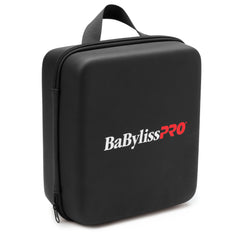
 BaBylissPRO
 Universal Travel Case
BaBylissPRO
BaBylissPRO Universal Travel Case
 Red By Kiss
 Tintation Black Spray
Red By Kiss
Red By Kiss Tintation Black Spray
 L3V3L 3
L3VEL3 Hair Croc Clips - 4 Pack
L3V3L 3
L3VEL3 Hair Croc Clips - 4 Pack
 BaBylissPRO
 Replacement Power Cord
BaBylissPRO
BaBylissPRO Replacement Power Cord
 Keystone
KeyStone Acrylic Liquid Gal
Keystone
KeyStone Acrylic Liquid Gal
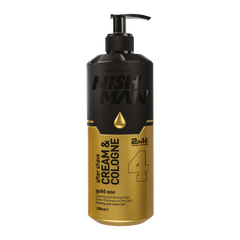 Nishman
 Gold One 4 After Shave Cream & Cologne 400mL
Nishman
Nishman Gold One 4 After Shave Cream & Cologne 400mL
 Clubman
 Whiskey Woods After Shave 6 Oz
Clubman
Clubman Whiskey Woods After Shave 6 Oz
 Nishman
 After Shave 1 City Senior Cream & Cologne 400mL
Nishman
Nishman After Shave 1 City Senior Cream & Cologne 400mL
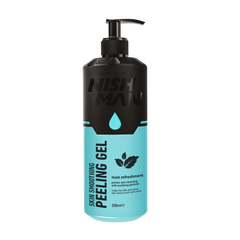 Nishman
 Mint Refreshment Skin Smoothing Peeling Gel 200mL
Nishman
Nishman Mint Refreshment Skin Smoothing Peeling Gel 200mL
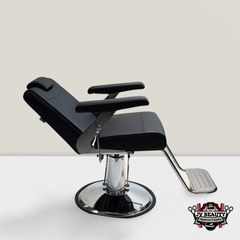 JV Beauty
Jv Transition All Purpose Chair
JV Beauty
Jv Transition All Purpose Chair
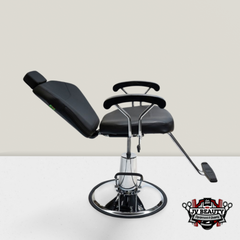 JV Beauty
Jv Threading All Purpose chair
JV Beauty
Jv Threading All Purpose chair
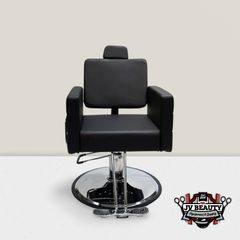 JV Beauty
Jv Grotesque All Purpose Chair
JV Beauty
Jv Grotesque All Purpose Chair
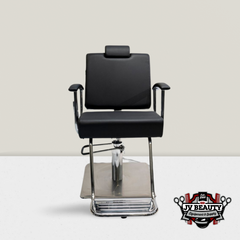 JV Beauty
Jv Fortitude All Purpose Chair
JV Beauty
Jv Fortitude All Purpose Chair

How to clean hair trimmers properly is one of those grooming skills everyone owns tools for, but few people actually master. If you cut hair at home, style regularly, or rely on barber shop hair trimmers, proper cleaning keeps blades sharp, motors healthy, and your skin irritation-free.
Let’s break it down in a clear, practical way that works whether you’re using professional hair-cutting tools or basic hair styling tools at home.
Why Cleaning Hair Trimmers Matters More Than You Think?

Hair trimmers are precision machines. Every time you cut hair with trimmers, tiny strands, oils, and dead skin collect inside the blades and housing. Over time, that buildup causes pulling, uneven cuts, overheating, and even bacterial growth.
Regular maintenance also protects your investment, especially if you own the best hair trimmers for men or premium hair clippers and trimmers designed for professional use.
Benefits of regular cleaning

- Sharper, smoother cutting performance
- Reduced skin irritation and breakouts
- Longer blade and motor lifespan
- Consistent results from your best hair styling tools
What You Need Before You Start Cleaning?
Before learning how to clean hair trimmers correctly, gather a few basic items. No fancy gadgets required, just smart prep.
Essential cleaning supplies
- Small cleaning brush (usually included with trimmers)
- Soft toothbrush (backup option)
- Microfiber or lint-free cloth
- Blade oil (clipper oil only)
- Mild soap or 70% isopropyl alcohol
- Small bowl of warm water (for detachable blades)
Avoid harsh chemicals, WD-40, or household disinfectants. They damage blade coatings and plastic housings, guess what, that voids warranties.
Having these tools ready turns cleaning from a chore into a 5-minute habit you’ll actually keep.
You may be interested in Salon Accessories
Step-by-Step: How to Clean Hair Trimmers Safely?

This is the core routine professionals use on barber shop hair trimmers and home devices alike.
1. Power off and unplug
Always turn the trimmer off and unplug it. If it’s cordless, remove the battery if possible. Safety first, no exceptions.
2. Remove excess hair
Use the cleaning brush to sweep hair away from the blade teeth, sides, and guard area. Hold the trimmer upside down so debris falls out naturally.
3. Detach the blades (if allowed)
Many hair-cutting tools have removable blades. If yours does, gently remove them following the manufacturer’s instructions.
4. Clean the blades
Wash detachable blades in warm water with a drop of mild soap. For fixed blades, use a cloth lightly dampened with alcohol to disinfect.
5. Dry completely
This step matters. Water left behind causes rust. Pat dry and air-dry for a few minutes before reassembly.
6. Oil the blades
Apply 2–3 drops of clipper oil across the blade teeth. Turn the trimmer on for a few seconds to distribute evenly.
This process is true trimmer maintenance, simple, effective, and proven.
How Often Should You Clean Hair Trimmers?
Frequency depends on how often you use them and for what purpose.
Cleaning schedule guide
|
Usage Type |
Recommended Cleaning |
|
Home use (weekly trims) |
After every use |
|
Styling & detailing |
After each session |
|
Barber shop hair trimmers |
Between every client |
|
Heavy hair-cutting sessions |
During and after use |
If you are using hair tools daily, light cleaning daily, and deep cleaning weekly keeps performance at peak level.
Skipping oiling is the most common mistake people make with even the best hair tools. Dry blades wear fast and pull hair painfully.
Also visit our collections: Nail Products
Common Mistakes That Ruin Hair Trimmers
Even well-meaning users damage their tools by accident. Avoid these pitfalls:
- Submerging the entire trimmer in water
- Using kitchen oils instead of clipper oil
- Reassembling blades while damp
- Ignoring unusual sounds or heat buildup
Keeping Your Hair Styling Tools in Top Condition Long-Term
Cleaning alone is not the full story. Smart storage and habits extend life dramatically.
Store trimmers in a dry, dust-free case. Avoid bathrooms with constant humidity. Periodically check screws for tightness. Replace dull blades instead of forcing performance.
If you own multiple hair styling tools, rotate usage to reduce wear. Professionals do this with their best hair styling tools for a reason, it keeps everything running smoother.
A well-maintained trimmer cuts clean, sounds quiet, and feels effortless. That’s when you know you’re doing it right.
You can also explore: Barber Products, Salon Products
Final Thoughts
Now you know exactly how to clean hair trimmers the right way, no guesswork, no damage, no wasted money. Clean tools don’t just look better; they perform better and protect your skin every time you cut hair with trimmers.
If you’re thinking about upgrading or replacing your current tool, check out our guide to the best hair trimmers for men to find reliable, easy-to-maintain options built for long-term use.
For premium grooming tools and expert care essentials you can trust, explore JV Beauty Supply. Upgrade your grooming routine with JV Beauty and experience performance that lasts.
People Also Ask:
Can I dip my trimmer in water?
No, most trimmers are not fully waterproof. Dipping the whole unit can damage the motor and electronics. Rinse only the removable blades if the model allows it. Always check the manual first.
Can I use rubbing alcohol to clean clippers?
Yes, 70% isopropyl alcohol is great for disinfecting. It kills germs, dries fast, and prevents rust. Wipe blades with a cloth soaked in it; never pour directly. Dry fully, then oil.
Can I wash a hair trimmer?
It depends on the model. “Washable” or “water-resistant” trimmers allow rinsing the blades under water. If not labeled as such, avoid washing, use brushing, alcohol, and oil instead.
Can a trimmer get wet?
Only partially, and if it’s water-resistant. You can rinse blades on marked models, but keep the body dry. Water in the motor can cause damage. Fully waterproof trimmers are rare; check labels.
