
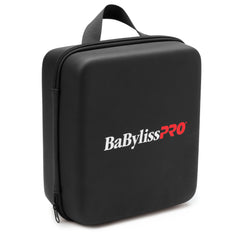
 BaBylissPRO
 Universal Travel Case
BaBylissPRO
BaBylissPRO Universal Travel Case
 Red By Kiss
 Tintation Black Spray
Red By Kiss
Red By Kiss Tintation Black Spray
 L3V3L 3
L3VEL3 Hair Croc Clips - 4 Pack
L3V3L 3
L3VEL3 Hair Croc Clips - 4 Pack
 BaBylissPRO
 Replacement Power Cord
BaBylissPRO
BaBylissPRO Replacement Power Cord
 Keystone
KeyStone Acrylic Liquid Gal
Keystone
KeyStone Acrylic Liquid Gal
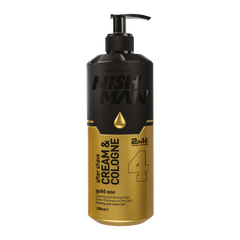 Nishman
 Gold One 4 After Shave Cream & Cologne 400mL
Nishman
Nishman Gold One 4 After Shave Cream & Cologne 400mL
 Clubman
 Whiskey Woods After Shave 6 Oz
Clubman
Clubman Whiskey Woods After Shave 6 Oz
 L3V3L 3
L3VEL3 Aftershave Cologne Flame 400mL
L3V3L 3
L3VEL3 Aftershave Cologne Flame 400mL
 Nishman
 After Shave 1 City Senior Cream & Cologne 400mL
Nishman
Nishman After Shave 1 City Senior Cream & Cologne 400mL
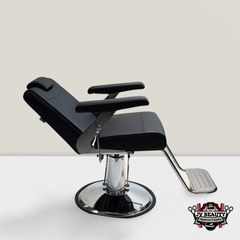 JV Beauty
Jv Transition All Purpose Chair
JV Beauty
Jv Transition All Purpose Chair
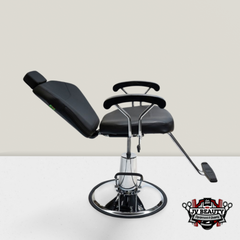 JV Beauty
Jv Threading All Purpose chair
JV Beauty
Jv Threading All Purpose chair
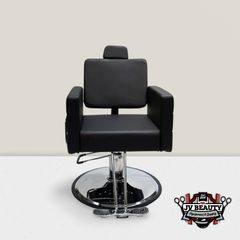 JV Beauty
Jv Grotesque All Purpose Chair
JV Beauty
Jv Grotesque All Purpose Chair
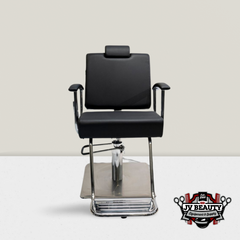 JV Beauty
Jv Fortitude All Purpose Chair
JV Beauty
Jv Fortitude All Purpose Chair

When it comes to using hair clippers, safety is just as important as style. Whether you’re trimming your own hair at home or giving someone a fresh cut, following proper precautions prevents accidents and keeps the experience smooth and stress-free.
You may want to check out Hair Dryers & Steamers, Barber Chairs
Let’s explore how to master hair trimming safely while keeping your tools in top shape.
Understanding Hair Clipper Guard Sizes

Choosing the right hair clipper guard sizes is your first line of defense against nicks and uneven cuts. Guards control the length of hair left on the head, and using the wrong size can lead to sudden snags or cuts. Most clippers come with numbered guards, ranging from 0 to 8.
Quick tip: Start with a longer guard if you’re unsure; you can always trim more, but you can’t add hair back! Spoiler alert: even pros double-check their guard settings before every cut. This is especially crucial for beginners learning how to use hair clippers safely.
Common Guard Size Chart
|
Guard Number |
Approx. Hair Length Left |
Best Use Case |
|
0 |
1/16 inch |
Very short buzz |
|
1 |
1/8 inch |
Fade or close cut |
|
2 |
1/4 inch |
Classic short trim |
|
3 |
3/8 inch |
Medium-length cut |
|
4 |
1/2 inch |
Longer hairstyles |
|
5–8 |
5/8 – 1 inch |
Layering or blending |
Using the correct guard not only improves precision but also plays a major role in preventing injuries from hair clippers.
You may find this useful: Best Hair Cutting Tools For Every Budget
Choosing the Right Hair Clipper Sizes
Beyond guards, hair clipper sizes themselves vary in motor power, blade width, and ergonomics. Smaller clippers are perfect for detailing, while full-sized units handle thick hair with ease.
When shopping for the best hair trimmer and clipper, consider blade sharpness and whether the blades are detachable for cleaning. Dull blades tug hair, increasing the risk of cuts or irritation. For beginners, lightweight clippers with adjustable settings are ideal—they make safe use of hair clippers much simpler.
You might like 5 Common Mistakes When Using Hair Cutting Tools
What Are Basic Safety Precautions?
Basic safety precautions are the foundation of any haircut. Here’s what to keep in mind:
- Check for damage – Inspect cords, plugs, and blades for frays or rust before every use.
- Dry hands, dry scalp – Water and electricity don’t mix. Even a small amount of moisture can lead to shocks.
- Work in a well-lit area – Shadows make uneven cuts more likely.
- Use proper technique – Glide clippers in the direction of hair growth to prevent pulling.
Following these steps is the simplest way to maintain hair clipper safety tips, especially when trimming children or older adults who might move unexpectedly.
What Are Standard Precautions?
Standard precautions extend basic safety to include hygiene and infection prevention. Clipper blades and guards can harbor bacteria if not cleaned after each use.
- Always sanitize blades and guards using alcohol or specialized clipper disinfectants.
- Avoid sharing clippers with others unless fully sanitized.
- Keep hair off the floor and workstation to prevent slips or contamination.
These steps align with a full clipper safety guide, ensuring not just physical safety but also reducing the risk of skin infections or irritations.
You may be interested in Shavers
How to Use Hair Clippers Safely?
Knowing how to use hair clippers safely requires a mix of preparation, technique, and awareness.
- Set up your station – Keep your clippers on a stable surface. Have a comb, scissors, and guard attachments within reach.
- Test on a small section – Before committing to the full cut, test the clipper on a small patch to ensure the guard and blade feel right.
- Go slow – Speed can lead to mistakes. Move steadily, especially around sensitive areas like the ears or neckline.
- Stay alert – Keep an eye on the cord to avoid tangling or tripping.
For those who enjoy DIY haircuts, these hair-trimming safety tips can make the experience efficient and injury-free.
Preventing Injuries from Hair Clippers
Even with precautions, accidents can happen. Preventing injuries from hair clippers relies on vigilance:
- Never use clippers with damaged cords or loose blades.
- Keep children and pets away from the cutting area.
- Use clipper guards appropriate for hair thickness and style.
- Apply light pressure, pressing too hard can cause cuts or uneven lines.
Guess what? Regular maintenance, like oiling blades and cleaning debris, also prevents the clipper from pulling hair and creating painful snags. These steps are simple yet crucial parts of safe use of hair clippers.
Hair Clipper Safety Tips for Professionals and Home Users
Whether you’re a barber or doing it yourself, these hair clipper safety tips help everyone:
- Inspect tools regularly – A sharp, clean blade is safer than a dull one.
- Wear protective gear if needed – A cape or apron keeps hair off clothes and reduces irritation.
- Avoid distractions – Haircuts need focus; phones and pets can wait.
- Educate yourself – Read manuals and watch tutorials—knowledge is safety.
These strategies make your haircut sessions smoother, reduce errors, and build confidence. A little care goes a long way when using a bold synonym: hair trimmer.
Conclusion
Hair clippers make home grooming simple, convenient, and cost-effective when used correctly. Choosing reliable tools and following basic safety practices ensures clean, comfortable results every time.
Explore professional-quality grooming tools and supplies today at JV Beauty and upgrade your at-home haircut routine with confidence.
People Also Ask:
Is it safe for beginners to use hair clippers at home?
Yes. Beginners can safely use hair clippers at home by starting with longer guard sizes, cutting slowly, and working in good lighting. Always use clean, sharp blades to avoid pulling hair and practice on small sections for better control.
Can two people share the same hair clippers safely?
Yes, but proper hygiene is essential. Clean and disinfect the blades, guards, and attachments between users to prevent irritation or infections. Avoid sharing clippers if someone has scalp issues like lice, dandruff, or cuts.
Who should avoid using hair clippers at home?
People with scalp infections, open wounds, or sensitive skin should avoid using hair clippers at home. Young children, elderly individuals, or those with limited mobility may also need professional help to prevent accidental injuries.

